Whether it's your first East African tour or your twentieth, our experts create journeys that deliver the experience of a lifetime.
East Africa
Nyungwe Forest National Park
Experience chimpanzee trekking, canopy walks, birdwatching, and pristine rainforest scenery in Rwanda.
3 Tours Available
RegionEast Africa
Best TimeDec- Feb, Jun- Aug
Climate18°C to 21°C
Known ForChimpanzees
Nyungwe National Park is Rwanda’s Premier Mountain Rainforest, situated in the southwestern part of Rwanda. The Park is widely regarded as one of the most beautiful and pristine mountain rainforests in the world and is believed to be among Africa’s oldest forest ecosystems. The Nyungwe forest spans over 1,000 square kilometers of lush, untouched vegetation with ancient trees of dense canopies and mist-covered hills.
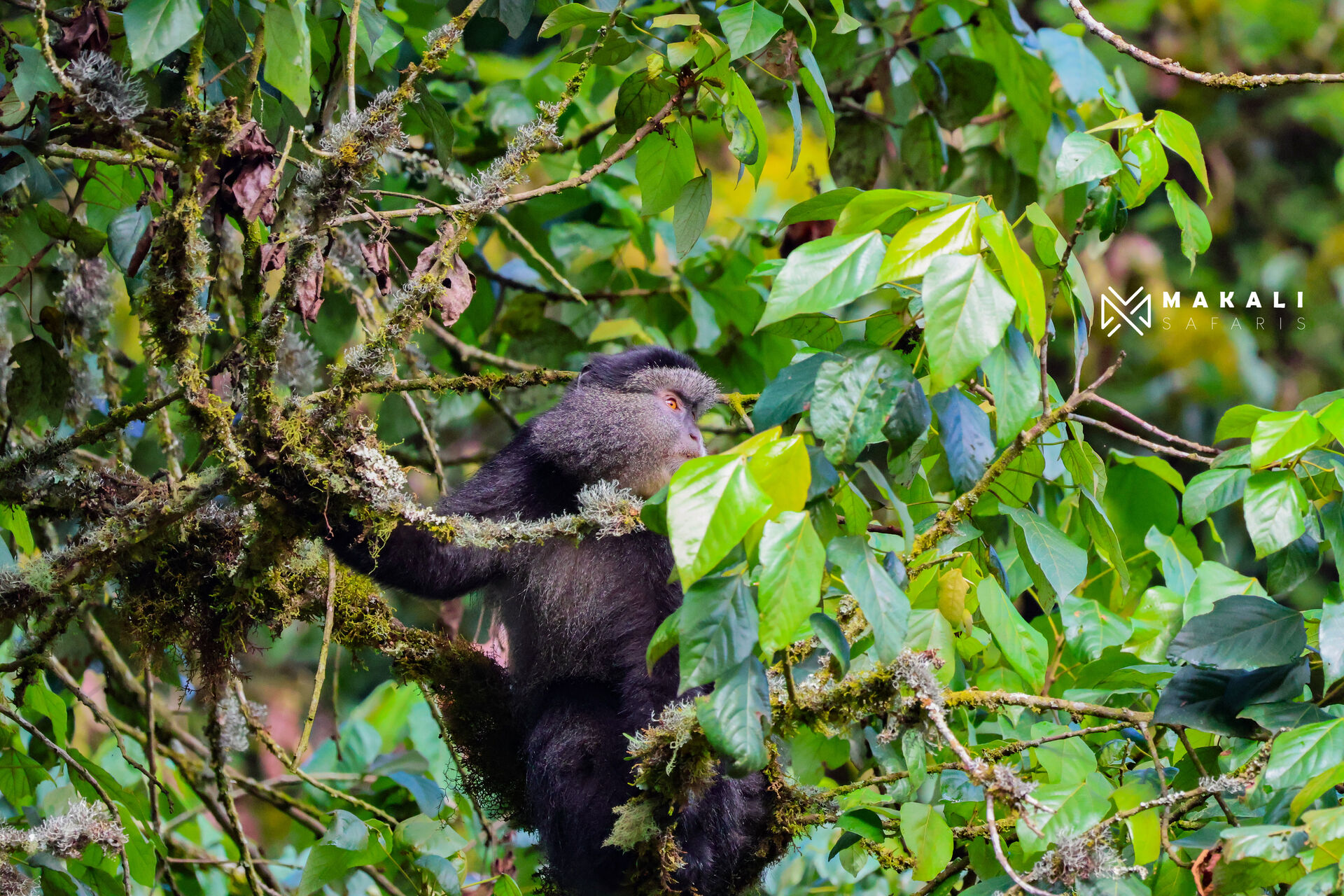
Nyungwe Forest National Park is a premier destination for primate enthusiasts. It is home to habituated chimpanzees, offering visitors a rare opportunity to track these intelligent great apes in their natural habitat. In addition to chimpanzees, the forest supports 12 other primate species, including a remarkable number of black-and-white colobus monkeys. This makes Nyungwe one of the best places in Africa for primate viewing.
Beyond its primates and birdlife, the park is home to approximately 75 mammal species, including leopards, servals, and a variety of duiker and mongoose species.
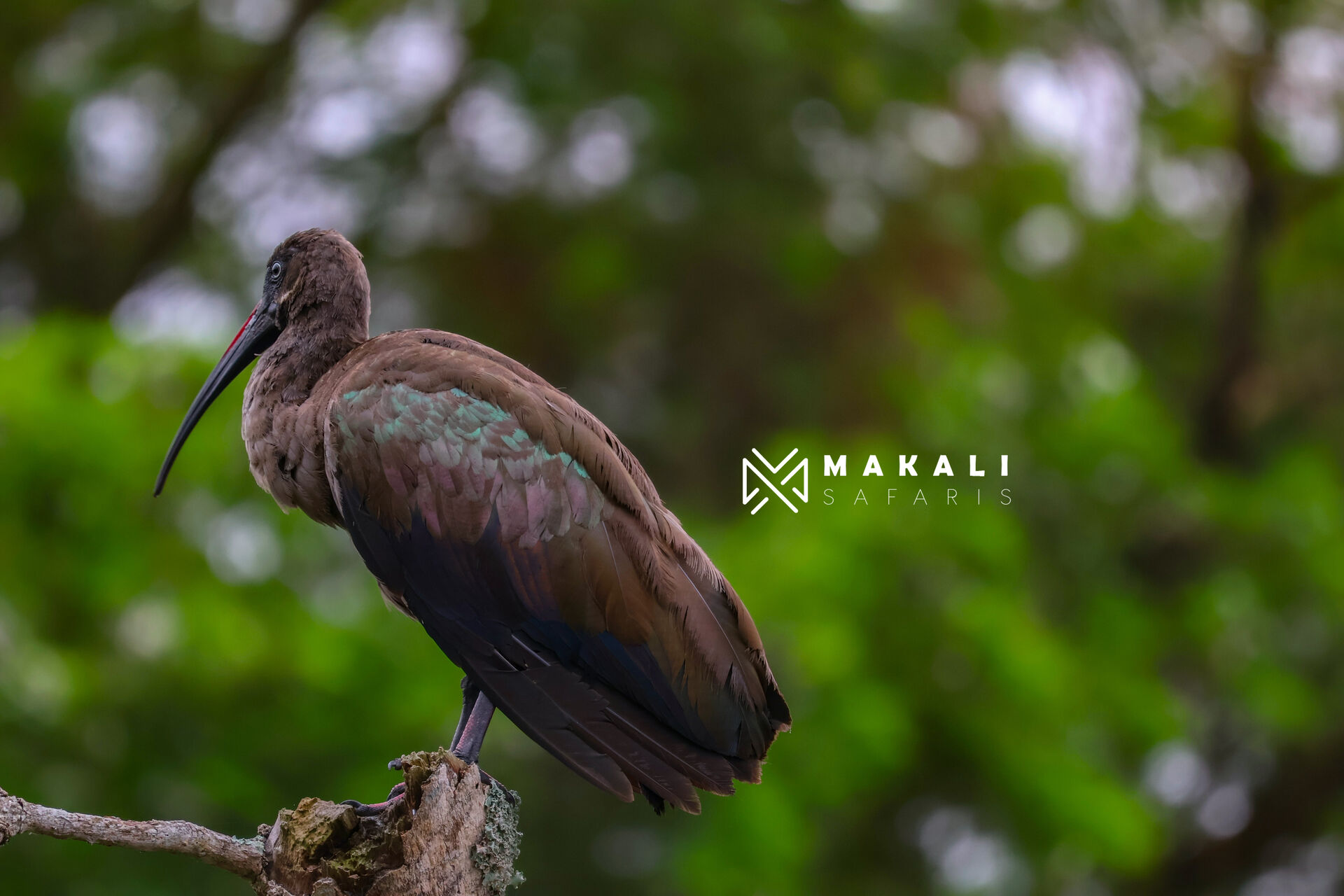
With over 300 bird species, including 16 endemics to the Albertine Rift, Nyungwe National Park is a birder’s paradise. Birdwatcher enjoy spotting rare birds such as the Ruwenzori turaco, red-collared mountain babbler, and handsome francolin. The park’s varied altitudes and habitats support a remarkable range of birds. Every trail reveals a new species.
The forest’s breathtaking terrain—characterized by rolling hills, deep valleys, and sparkling streams—provides a stunning backdrop for a wide range of eco-tourism activities, including chimpanzee tracking, canopy walks, waterfall visits, and birdwatching. These experiences offer a unique wildlife adventure that showcases the very best of Rwanda’s natural heritage.
Explore a UNESCO site famed for snow-capped peaks, glaciers, diverse wildlife, and Africa’s third-highest peak.
6 Tours Available
RegionEast Africa
Best TimeDec-Feb, Jun- Aug
Climate15°C to 17°C
Known ForPrimates
Rwenzori Mountain (commonly known as the "Mountains of the Moon") is a UNESCO World Heritage Site in southwestern Uganda, bordering the Democratic Republic of Congo. Established in 1991, this national park spans the Kabarole, Bundibugyo, and Kasese districts and neighbours the DRC’s Virunga National Park.
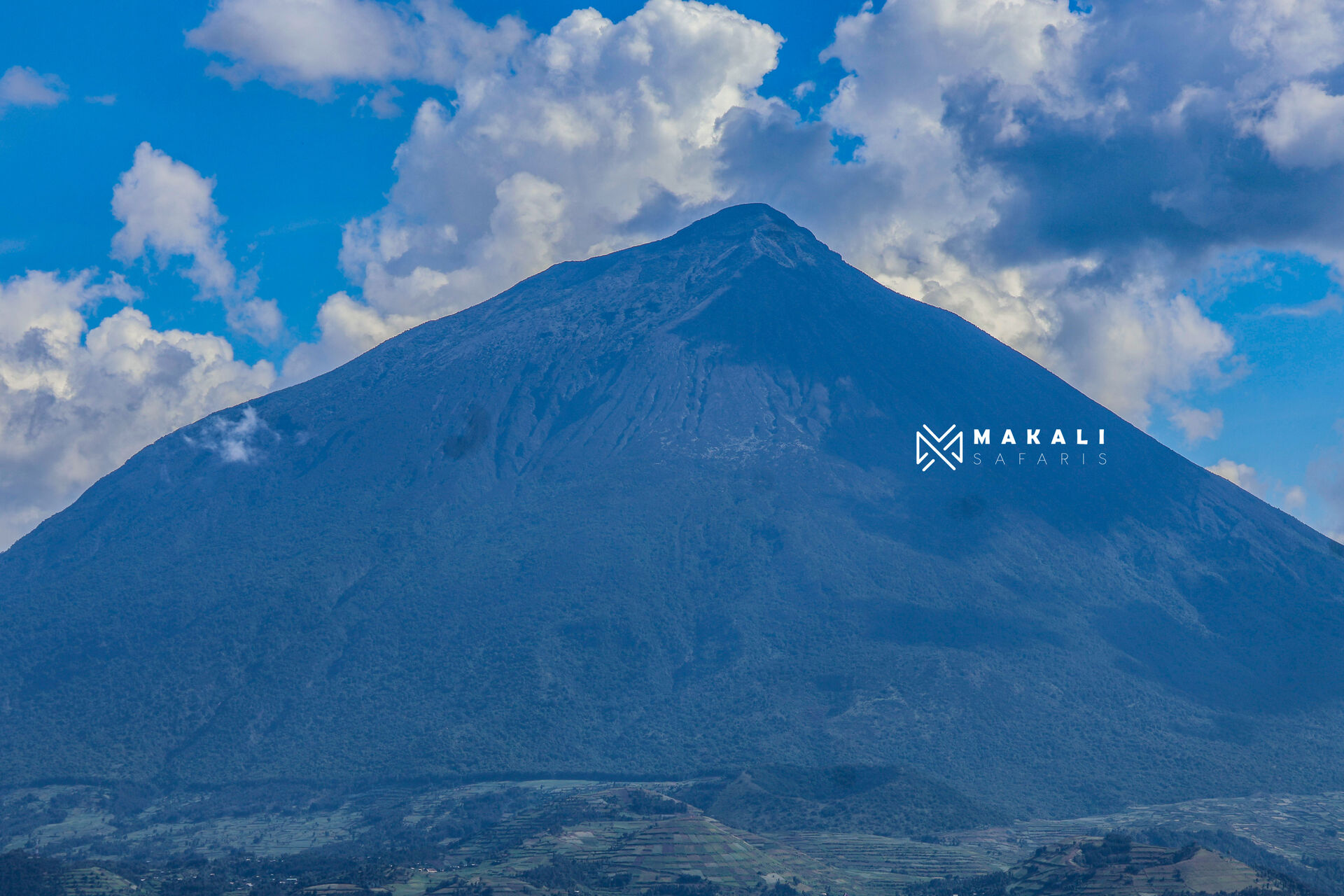
Renowned for noticeable peaks and permanent snowfields despite its equatorial location, it is considered one of Africa’s most spectacular and unique mountain ranges. Following this, Rwenzori is home to Africa’s third-highest mountain peak (Margherita Peak at 16,763 feet), and features glaciers, waterfalls, snowfields, and alpine lakes. Unlike Kilimanjaro or Mount Kenya, this range is non-volcanic, composed of crystalline rock. Key peaks include Mount Stanley (5,109m), Mount Speke(4,890m), and Mount Baker(4,843m).
Due to its impressive landscape, the Park is a premier mountaineering and hiking destination, with summit treks to Margherita taking 7–8 days for skilled climbers. It boasts incredible biodiversity, including over 70 animal species, 217 bird species, and 19 Albertine rift endemics. Its distinct vegetation zones range from African savannah (elephants, zebras) and bamboo forests to heath and Afro-Alpine zones (giant lobelias, tree groundsel), and finally to storm-swept glaciers at the summit.
Uganda's compact wildlife haven with lakes, savannah, diverse animals, over bird 300 species, and adventure activities.
6 Tours Available
RegionEast Africa
Best TimeAll year round
Climate24°C to 27 °C
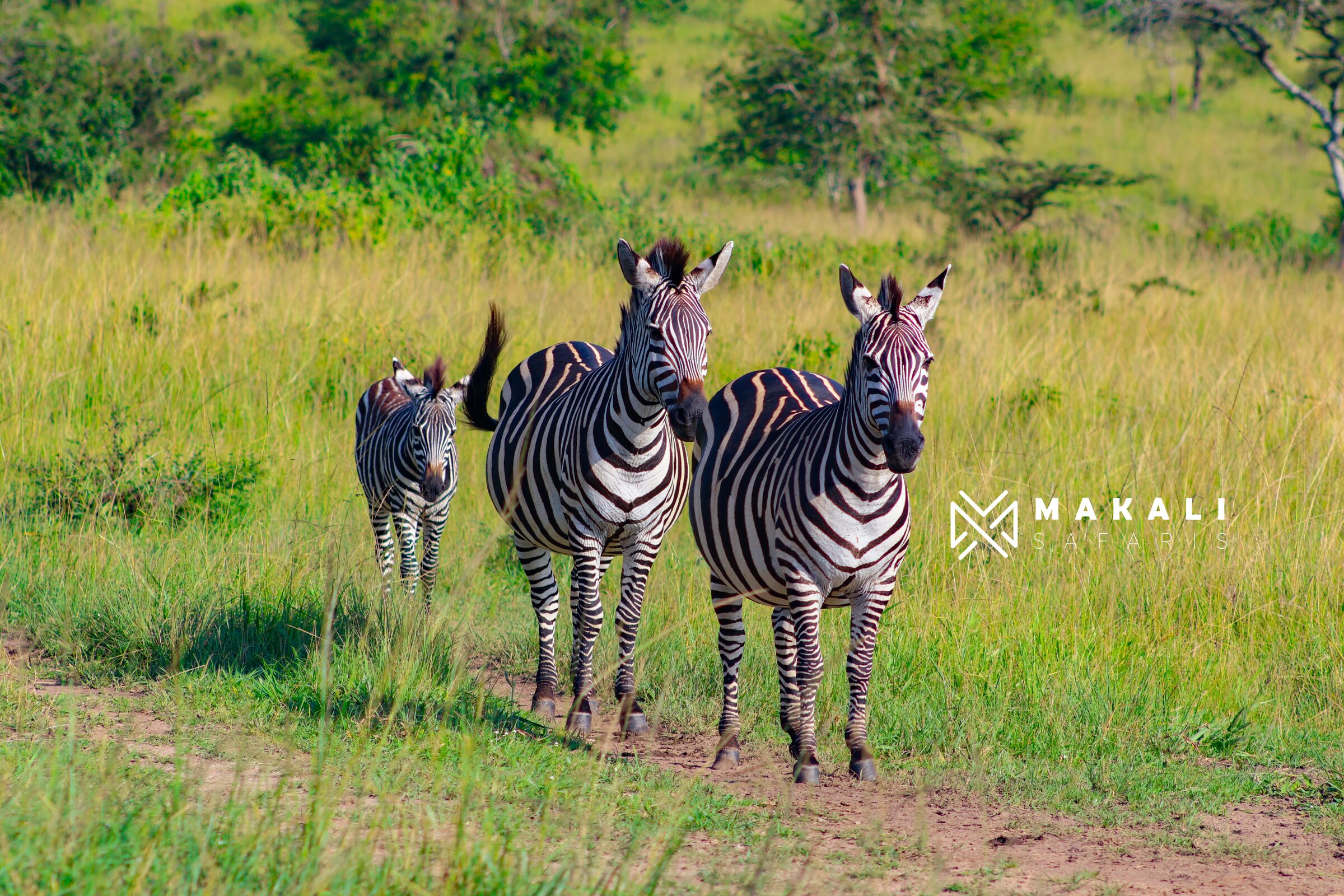
Known ForZebras
Lake Mburo National Park is one of the country’s most distinctive and compact wildlife destinations, located in western Uganda. The Park spans just 370 km² and is home to five lakes, with Lake Mburo itself accounting for about 20% of this remarkable wetland system.
The Park was initially dominated by an open savannah, but has since transformed into a woodland due to the absence of elephants that once tamed the vegetation. The western side of the park, however, features a diverse ecosystem of rock ridges, forested gorges, papyrus swamps, and lush woodland.
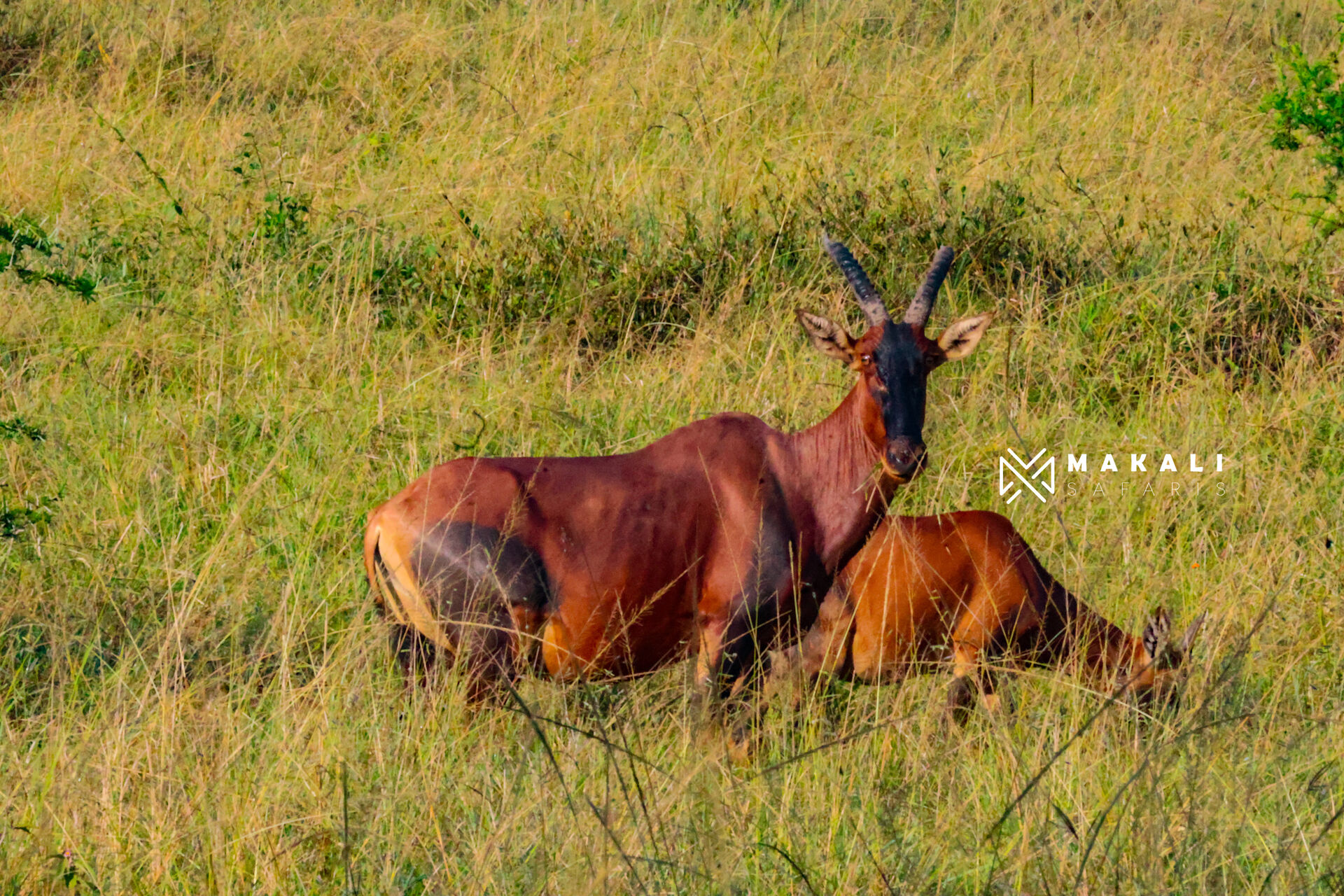
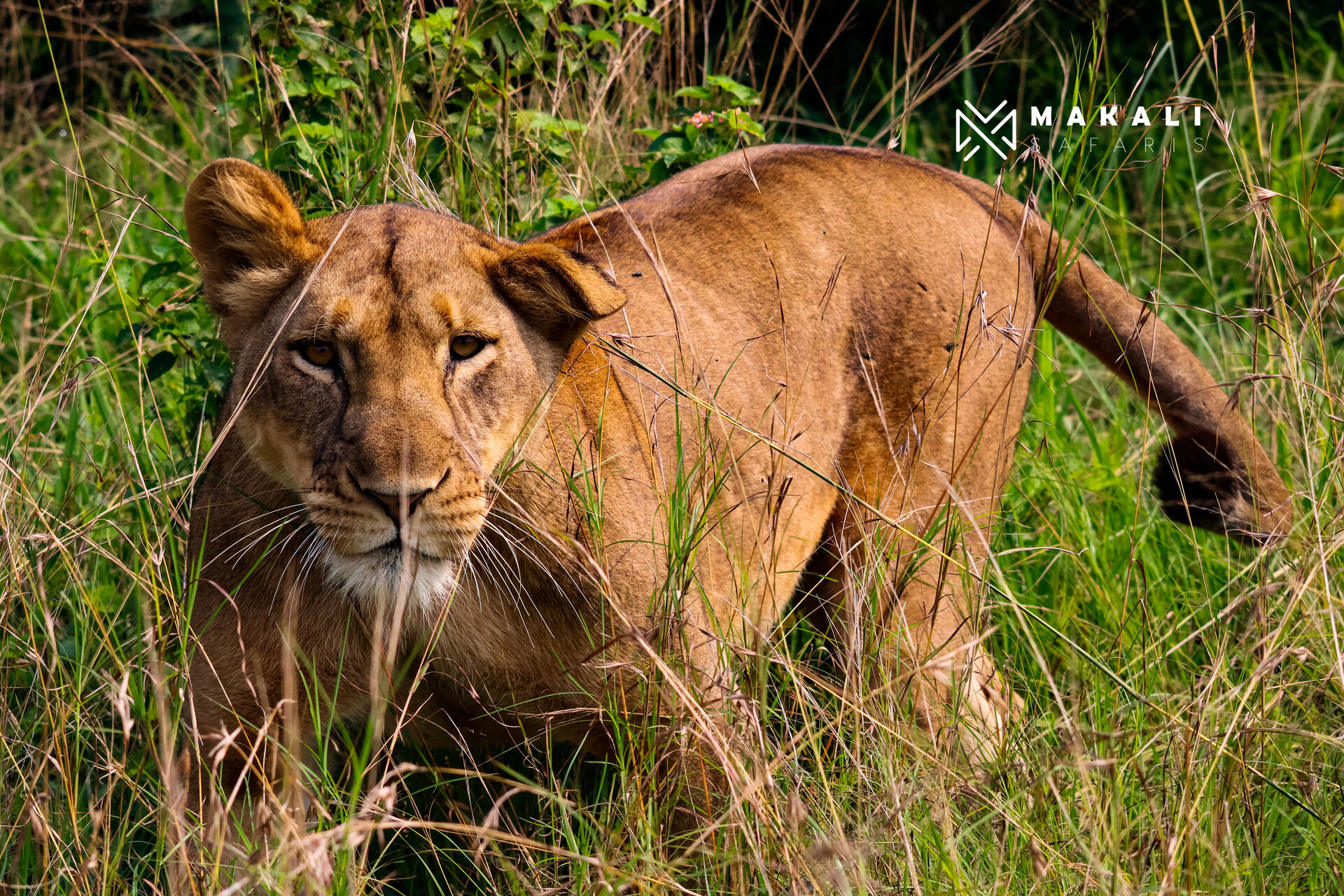
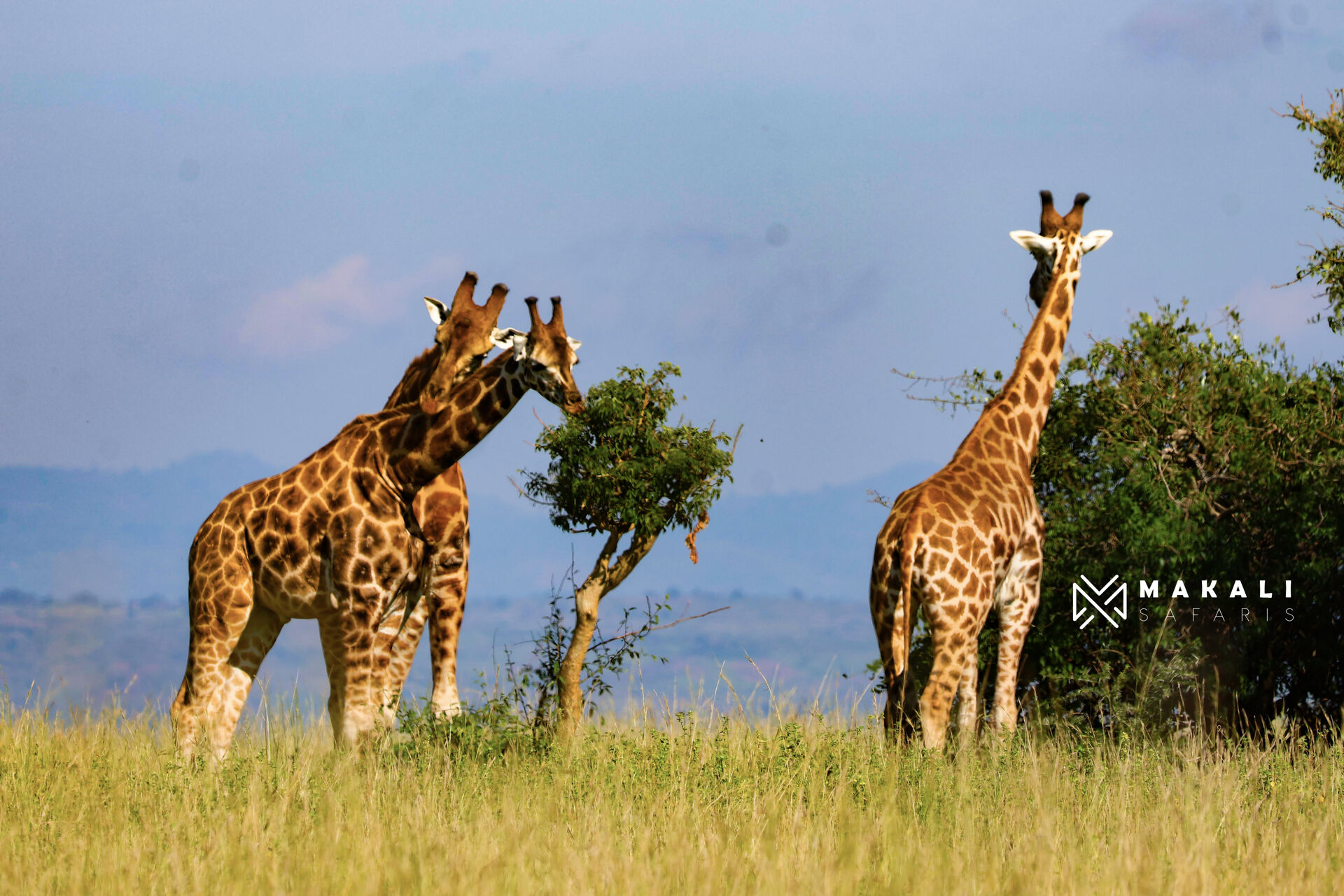
Lake Mburo National Park boasts over 68 mammal species. Commonly spotted animals include impalas, zebras, buffaloes, hyenas, topis, roan antelopes, jackals, elands, and a good number of giraffes, which have recently been relocated to the park.
Additionally, the Park boasts more than 313 bird species, making it a must-visit for birders. Common avian species in Lake Mburo National Park include the black-billed barbet, rare white-winged warbler, crested francolin, brown parrot, bare-faced go-away-bird, green wood hoopoe, blue-napped mousebird, emerald-spotted wood dove, trilling cisticola, and many more.
Thanks to its rich natural endowments, the park supports a wide range of activities for visitors to enjoy. These include game drives, birdwatching, boat rides on Lake Mburo, fishing, and relaxation.In addition, the park offers other adventure activities in the surrounding areas, such as horseback riding, cycling, and community tours with local villages.
Highlights & Experiences
Conduct game drives to encounter diverse animal species
Enjoy boat ride on Lake Mburo to spot water dwelling animals
Experience the thrill of getting close to wildlife through a walking safari
Enjoy Big Five safaris, scenic lakes, rich birdlife, and diverse savannah wildlife in Rwanda’s wilderness.
3 Tours Available
RegionEast Africa
Best TimeAll year round
ClimateTropical, 25–29°C
Known ForGorilla Trekking
Akagera National Park, located along the border with Tanzania in northeastern Rwanda, is renowned for its rich history and striking landscapes. Established as a national park in 1934, it originally covered 2,500 square kilometers. However, extensive conversion of land to farmland reduced its size to 1,122 square kilometers by 1997. The Park is named after the Akagera River, which flows along its eastern boundary that feeds several lakes, including Lake Ihema, the largest in the park. It is considered one of Africa’s most scenic reserves, characterized by forest-fringed lakes, papyrus swamps, savannah plains, and rolling highlands.
Beyond its diverse landscapes, the park supports a wide range of wildlife, including large savannah game such as elephants, buffaloes, zebras, and various antelope species. It is also home to swamp-dwelling species like the sitatunga and the rare shoebill stork. Lions and black rhinos have been successfully reintroduced, restoring the park’s Big Five status.
In addition to savannah wildlife, the park hosts several primate species, including olive baboons, vervet monkeys, and blue monkeys, which are commonly seen during the day. Akagera’s varied habitats make it a premier birdwatching destination, with nearly 500 recorded bird species. The papyrus swamps are particularly notable, providing habitat for the rare shoebill, papyrus gonolek, and many other waterbirds.
As a result, Akagera National Park is a key tourism destination, attracting visitors for game viewing, birdwatching, photography, and boat cruises on Lake Ihema.
Gorilla trekking paradise, home to half of the world's remaining mountain gorillas
6 Tours Available
RegionEast Africa
Best TimeDec-Feb, Jun-Aug
Climate20°C to 27°C
Known ForGorillas
Bwindi Impenetrable National Park is nestled in southwestern Uganda, along the edgeof the Rift Valley and bordering the Democratic Republic of Congo, adjacent to Virunga National Park. Covering 332 square kilometres of dense montane and lowland forest, this remarkable sanctuary forms part of the expansive Bwindi Impenetrable Forest and is recognized as a UNESCO World Heritage Site. It is one of East Africa’s most biologically diverse forests, supporting over 1,000 species of flowering plants, including towering trees and delicate ferns.
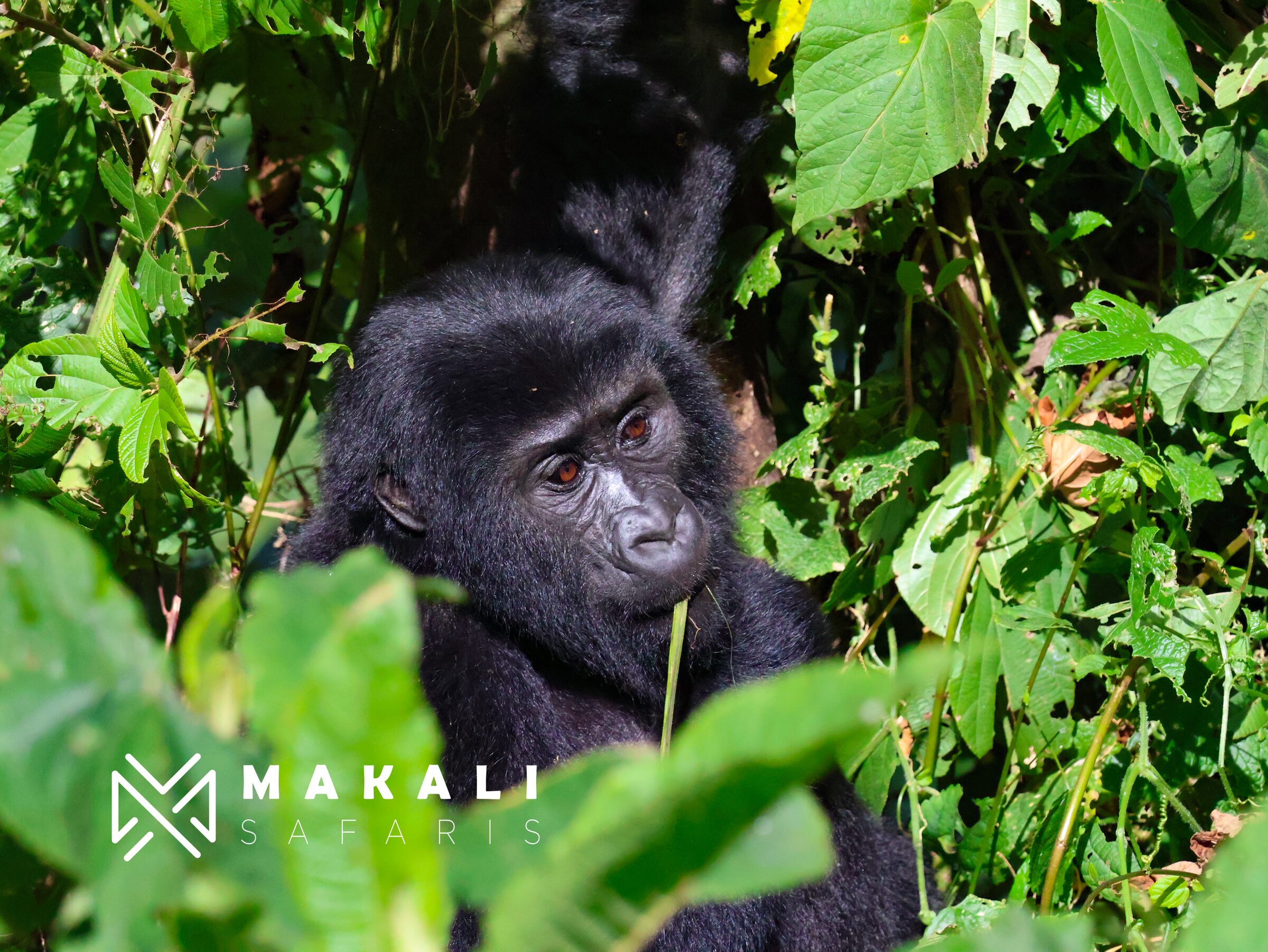
The forest hosts an exceptional variety of wildlife, with an estimated 120 mammal species, including 10 primate species and more than 20 small mammals. The Park is home to over 450 mountain gorillas—nearly half of the world’s population. Other species found here include chimpanzees, L’Hoest’s monkeys, African elephants, African green broadbills, cream-banded swallowtails, black-and-white colobus monkeys, red-tailed monkeys, vervet monkeys, giant forest hogs, and several species of small antelopes.
Bwindi is also a premier birdwatching destination, with more than 350 bird species recorded, including 23 of Uganda’s 24 Albertine Rift endemics. Notable species include batises, the yellow-eyed black flycatcher, and the red-faced woodland warbler.
The Park experiences a tropical climate, with morning temperatures ranging from 7°C to 15°C and daytime temperatures between 20°C and 27°C. Annual rainfall averages between 1,400 and 1,900 millimetres, with peak rainy seasons occurring from March to May and September to November.Due to its robust gorilla population, the park offers daily gorilla trekking experiences and gorilla habituation activities, providing a unique opportunity to observe these primates up close in their natural habitat.
In addition to gorilla trekking, the park offers birdwatching, guided nature walks, photography opportunities, and cultural encounters with local communities.
Queen Elizabeth National Park lies in western Uganda, spanning the districts of Kasese, Kamwenge, Rubirizi, and Rukungiri. Spanning approximately 1,978 square kilometers, it is one of Uganda’s largest and most biodiverse protected areas. The Park stretches from Lake George in the northeast to Lake Edward in the southwest, linked by the renowned Kazinga Channel—a natural waterway connecting the lakes.
At its inception in 1952, the park was called Kazinga National Park, but the reserve was renamed in 1954 to commemorate a visit by Queen Elizabeth II of England. Today, it is one of Uganda’s most visited and ecologically rich national parks. Queen Elizabeth National Park is strategically linked to other key conservation areas, including Maramagambo Forest, Kyambura Gorge, Kibale Forest National Park, and the Virunga National Park in the Democratic Republic of Congo.
Thanks to its rich ecosystem, the park sustains an impressive range of large and small mammals, including buffalo, lions, African elephants, leopards, and diverse antelopes such as waterbucks, Uganda kob, and topis.
Additionally, the park harbors a variety of aquatic species, including dense populations of hippos and crocodiles. Queen Elizabeth National Park shelters about ten primate species. The most celebrated is the chimpanzee, inhabiting Kyambura Gorge. Commonly seen primates include vervet monkeys and black-and-white colobus monkeys, while baboons stand out for their boldness.
The Park preserves an exceptional array of habitats, from sweeping savannas to wetlands and lowland forests. With an avian checklist of over 600 species—the richest in any East African protected area—Queen Elizabeth National Park offers visitors a diverse range of activities. These include wildlife drives, birdwatching, chimpanzee trekking, Kazinga Channel boat cruises, fishing, and opportunities for relaxation.
The priate Capital of Uganda with over 10 primate species including chimpanzees
6 Tours Available
RegionEast Africa
Best TimeAll year round
Climate23°C to 25°C
Known ForChimpanzees
Kibale Forest National Park is located in the Kamwenge District of western Uganda. It is a protected tropical evergreen rainforest covering approximately 766 square kilometers, with elevations ranging from 1,100 to 1,600 meters above sea level. This variation in altitude creates a unique ecological gradient. Kibale is one of the last remaining forests in East Africa to contain both lowland and montane forest ecosystems, and it supports the region’s largest remaining expanse of pre-montane forest.
Kibale Forest was formally established as a national park in 1993 to protect its vital, diverse ecosystems. The Park now forms a continuous forest with neighboring Queen Elizabeth National Park. Together, they create a vast 180-kilometre wildlife corridor. This allows for exceptional animal movement and genetic flow between the two protected areas.
The forest is globally renowned for its rich primate diversity, protecting more than 10 species. These include well-studied, habituated groups of chimpanzees. The Park also shelters rare Central African monkeys, such as the Uganda mangabey, Ugandan red colobus, L’Hoest’s monkey, black-and-white colobus, and blue monkey, along with a variety of other terrestrial mammals.
Kibale is a birding paradise, boasting over 325 recorded species. Notable birds include olive long-tailed cuckoo, western tinkerbird, green-breasted pitta, grey parrot, and others.
Visitors to the park can enjoy a variety of activities, including chimpanzee tracking, chimpanzee habituation experiences, guided nature walks, birdwatching, and visits to the Bigodi Wetland Sanctuary and nearby local communities.
Experience gorilla trekking, volcano hikes, golden monkeys, and scenic Virunga landscapes in Rwanda
3 Tours Available
RegionEast Africa
Best TimeAll Dec-Feb, Jun- Aug
Climate10°C to 24°C
Known ForGorillas & Golden Monkeys
Volcanoes National Park is one of Rwanda’s most iconic and most visited tourist destinations. It is globally renowned for being home to the critically endangered mountain gorillas, offering visitors a rare and life-changing opportunity to observe these majestic great apes in their natural habitat. The Park covers over 125 square kilometers and includes five extinct volcanoes: Mount Muhabura, Mount Sabinyo, Mount Gahinga, Mount Karisimbi, and Mount Bisoke.
Beyond gorillas, Volcanoes National Park features Rwanda’s stunning scenery and diverse vegetation. It is a crucial part of the wider Virunga Conservation Area, shared with Uganda and the Democratic Republic of Congo.
Volcanoes National Park holds a central place in conservation history as the long-time research base of primatologist Dian Fossey. Her pioneering work with mountain gorillas, documented in Gorillas in the Mist, brought global attention to the plight of these endangered animals.
At the foothills of Mount Sabinyo, visitors can visit Fossey’s grave, where she rests near the mountain gorillas, she devoted her life to protecting. Her legacy continues to inspire ongoing conservation efforts and promotes ethical wildlife tourism in Rwanda.
With exceptional wildlife, impressive volcanoes, and a strong conservation legacy, Volcanoes National Park is a must-visit for those seeking an authentic African safari. The park’s varied habitats support a rich ecosystem and offer activities such as gorilla trekking, golden monkey tracking, hiking Mt. Bisoke and Karisoke, and cultural experiences in the park’s environs.
Highlights & Experiences
Encounter mountain gorillas in Volcanoes NP
Track golden monkeys in Volcanoes NP
Embark on the hiking expedition on Bisoke & Karisimbi
Experience Big Five wildlife, Nile boat safaris, birdwatching, and dramatic waterfall views in Uganda.
6 Tours Available
RegionEast Africa
Best TimeAll year round
Climate27°C to 31°C
Known ForBig Five
Murchison Falls National Park is Uganda’s largest conservation area, located at the northern end of the Albertine Rift Valley. The Park is home to over 60 species of animals, including four of the “Big Five”: elephants, buffalo, lions, and leopards. Other animals include giraffes, Jackson’s hartebeest, bushbucks, Uganda kob, waterbucks, and warthogs. The southern section of the park, which is covered in forests, is home to several primate species, including chimpanzees, olive baboons, blue monkeys, red-tailed monkeys, and black-and-white colobus monkeys.
Uganda’s largest park has varied habitats that support a diverse bird population. There are 451 bird species recorded. Notable species include the shoebill stork, the Goliath heron—the world's largest heron—blue-headed coucal, swamp flycatcher, African jacana, sandpipers, Denham’s bustard, Abyssinian ground hornbill, black-billed barbet, and black-headed gonolek, among others.
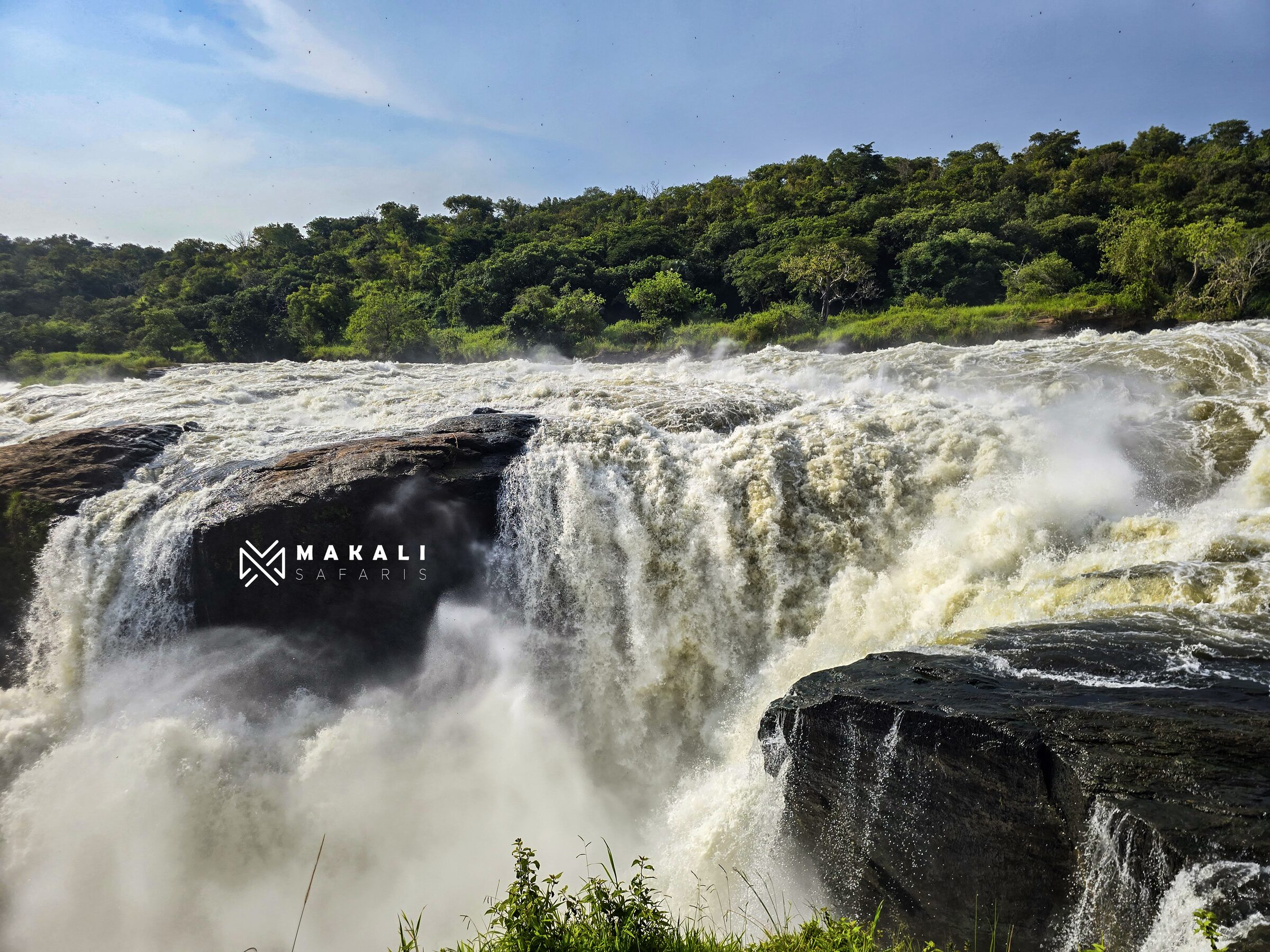
Besides animal and bird species, the park features waterfalls that offer spectacular views. At the top of Murchison Falls, the Nile forces its way through a narrow gap in the rocks of about seven meters wide and plunges 43 meters before flowing westward into Lake Albert, creating a thunderous roar.
The Park is therefore an important tourism centre in Uganda because it offers visitors the chance to spot animals through game drives, boat rides on the Victoria Nile, bird watching, and nature walks.
Highlights & Experiences
Experiencing wildlife in the northern plains via game drives
Enjoying birdwatching to see several bird species
Embarking on boat rides to the bottom of the falls
We use cookies to improve your experience, analyse site traffic, and serve relevant ads.
Cookie Policy
Cookie Preferences
NecessaryAlways On
Required for the website to function — session security, form protection, and remembering your cookie choice. Cannot be disabled.
Analytics
Helps us understand which safaris, places, and activities visitors view most. All data is anonymous and stored on our own servers — no third parties involved.
Marketing
Enables Google Analytics 4 and Facebook Pixel so we can measure ad performance and show relevant safari promotions to people who have visited our site.
 3 Tours Available