Bwindi Impenetrable National Park is nestled in southwestern Uganda, along the edge of the Rift Valley and bordering the Democratic Republic of Congo, adjacent to Virunga National Park. Covering 332 square kilometres of dense montane and lowland forest, this remarkable sanctuary forms part of the expansive Bwindi Impenetrable Forest and is recognized as a UNESCO World Heritage Site. It is one of East Africa’s most biologically diverse forests, supporting over 1,000 species of flowering plants, including towering trees and delicate ferns.
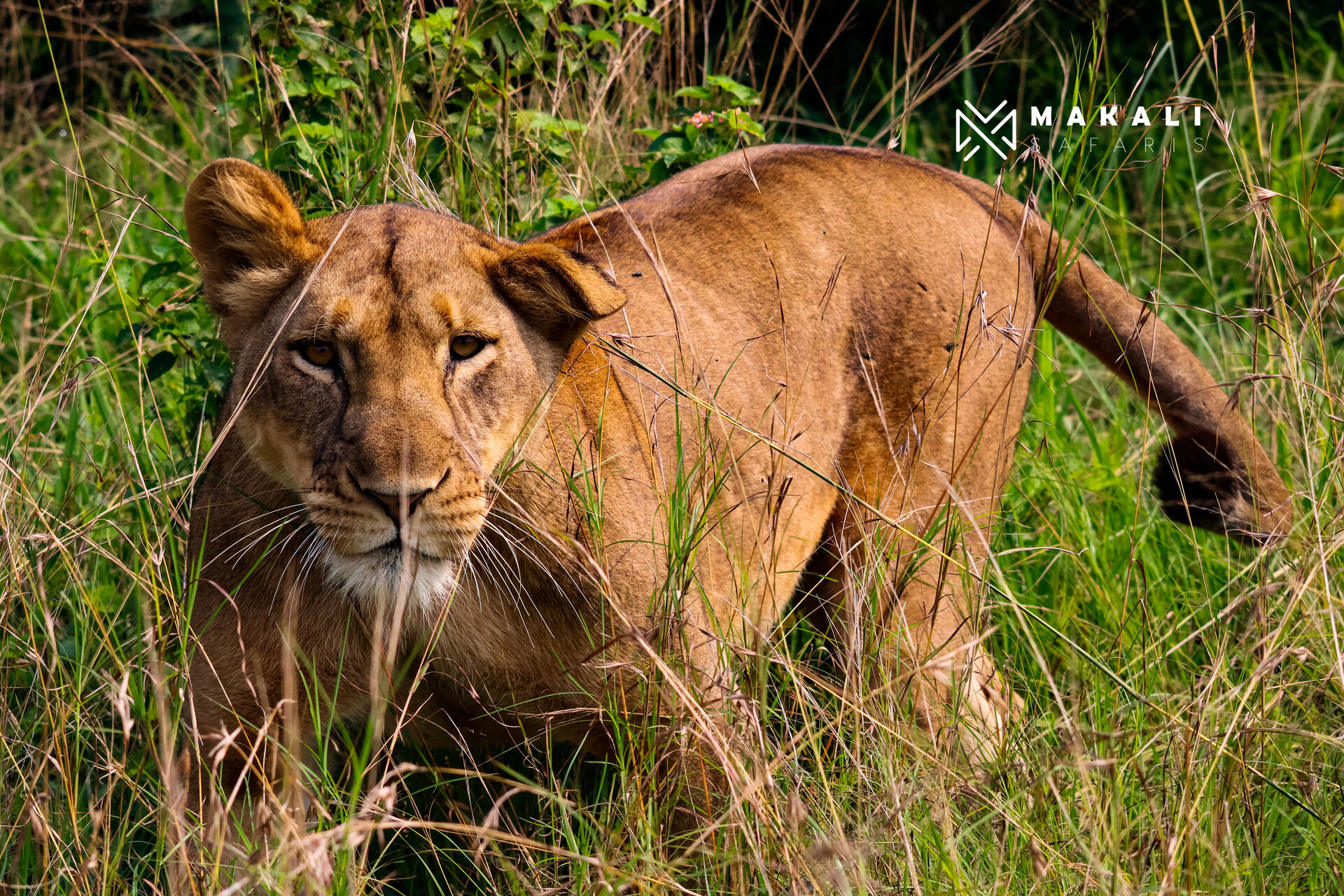
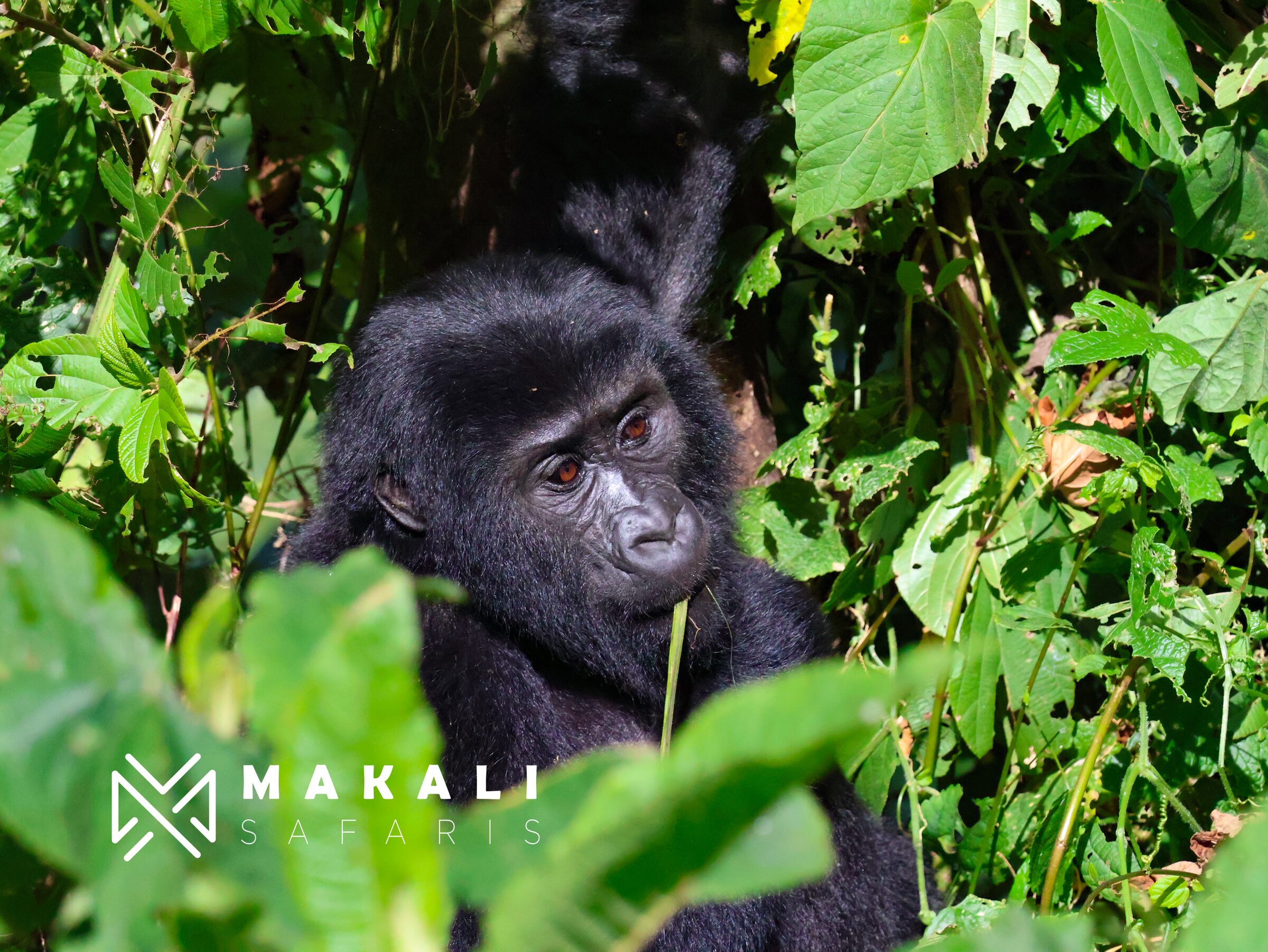
The forest hosts an exceptional variety of wildlife, with an estimated 120 mammal species, including 10 primate species and more than 20 small mammals. The Park is home to over 450 mountain gorillas—nearly half of the world’s population. Other species found here include chimpanzees, L’Hoest’s monkeys, African elephants, African green broadbills, cream-banded swallowtails, black-and-white colobus monkeys, red-tailed monkeys, vervet monkeys, giant forest hogs, and several species of small antelopes.
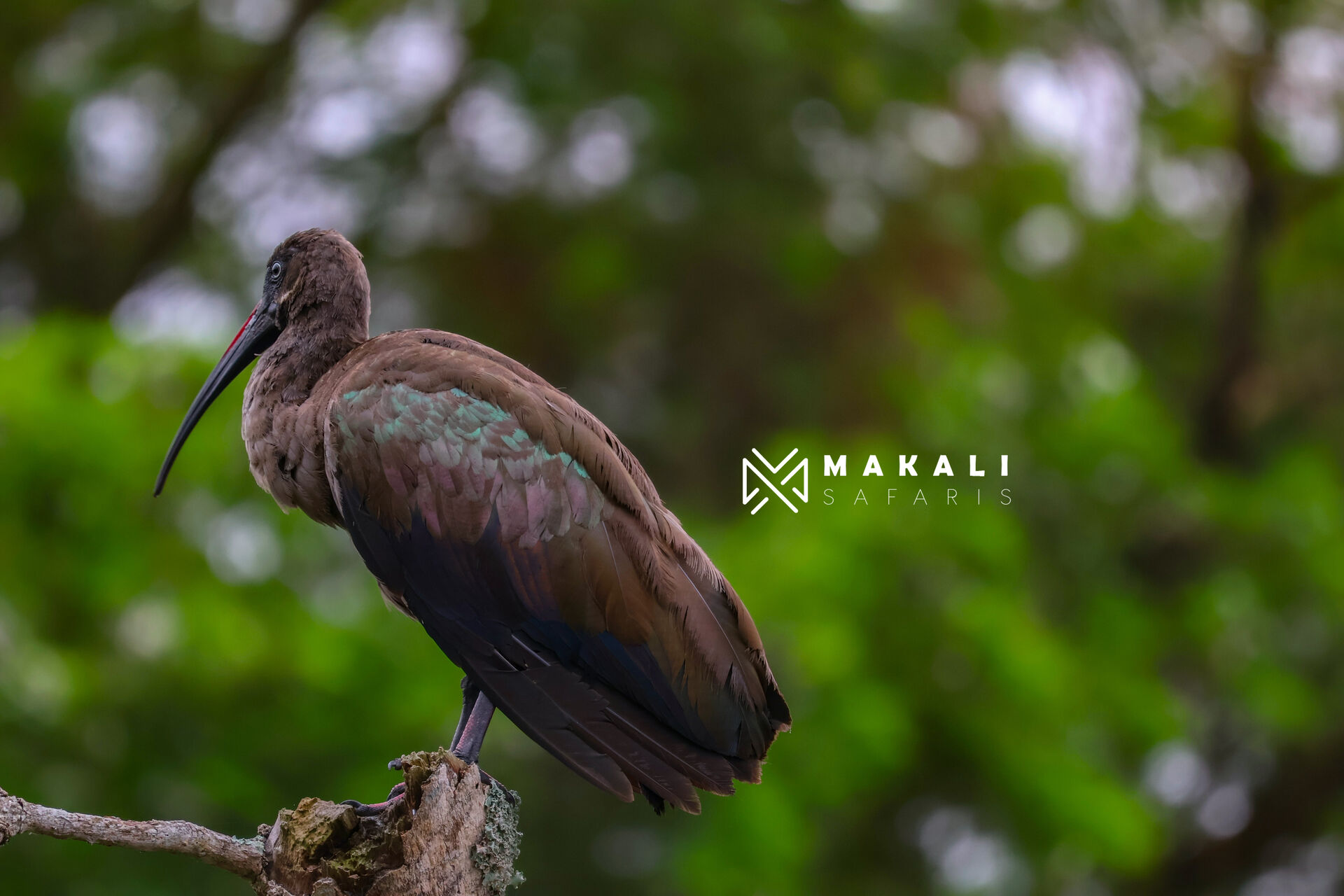
Bwindi is also a premier birdwatching destination, with more than 350 bird species recorded, including 23 of Uganda’s 24 Albertine Rift endemics. Notable species include batises, the yellow-eyed black flycatcher, and the red-faced woodland warbler.
The Park experiences a tropical climate, with morning temperatures ranging from 7°C to 15°C and daytime temperatures between 20°C and 27°C. Annual rainfall averages between 1,400 and 1,900 millimetres, with peak rainy seasons occurring from March to May and September to November. Due to its robust gorilla population, the park offers daily gorilla trekking experiences and gorilla habituation activities, providing a unique opportunity to observe these primates up close in their natural habitat.
In addition to gorilla trekking, the park offers birdwatching, guided nature walks, photography opportunities, and cultural encounters with local communities.