Akagera National Park, located along the border with Tanzania in northeastern Rwanda, is renowned for its rich history and striking landscapes. Established as a national park in 1934, it originally covered 2,500 square kilometers. However, extensive conversion of land to farmland reduced its size to 1,122 square kilometers by 1997. The Park is named after the Akagera River, which flows along its eastern boundary that feeds several lakes, including Lake Ihema, the largest in the park. It is considered one of Africa’s most scenic reserves, characterized by forest-fringed lakes, papyrus swamps, savannah plains, and rolling highlands.
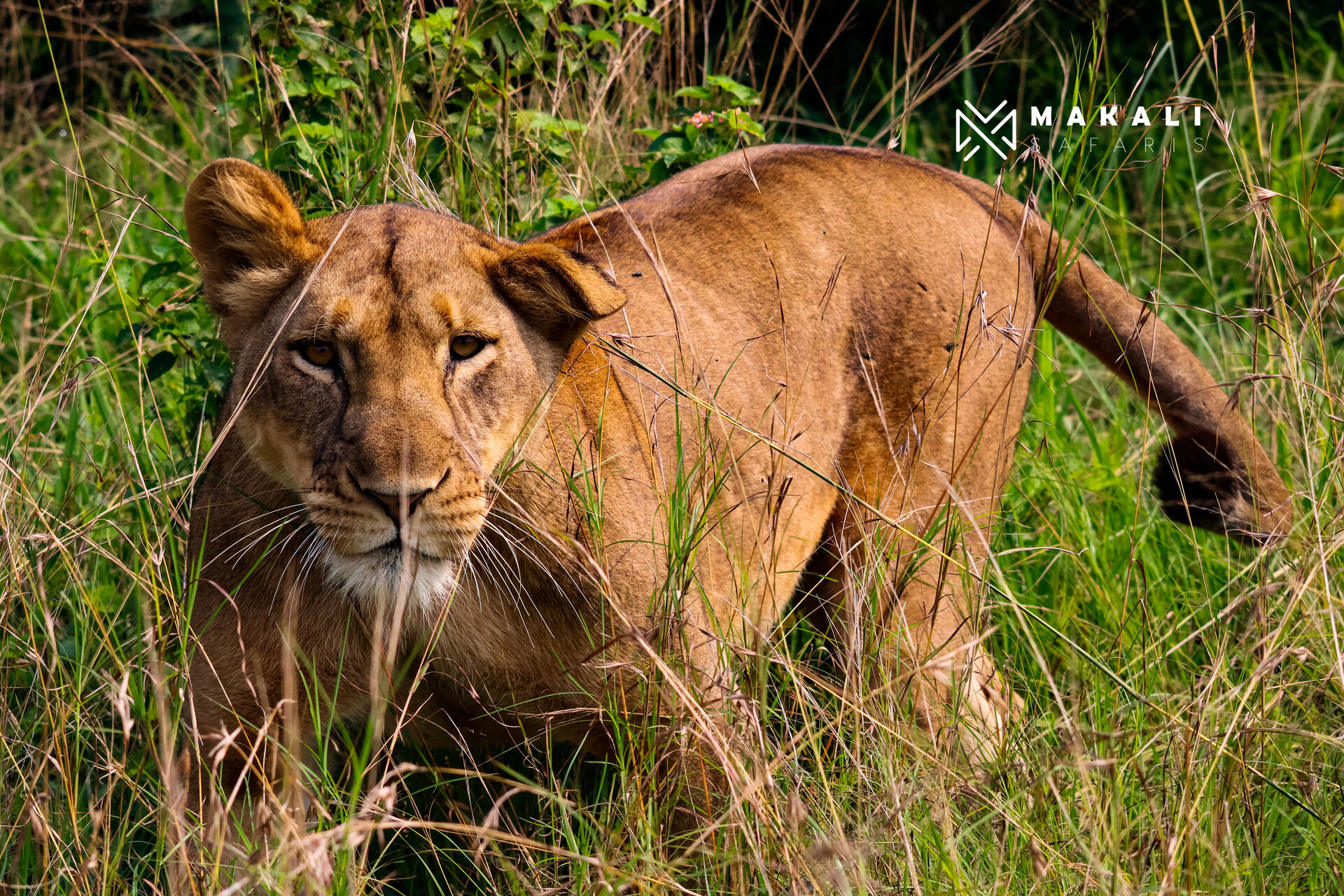
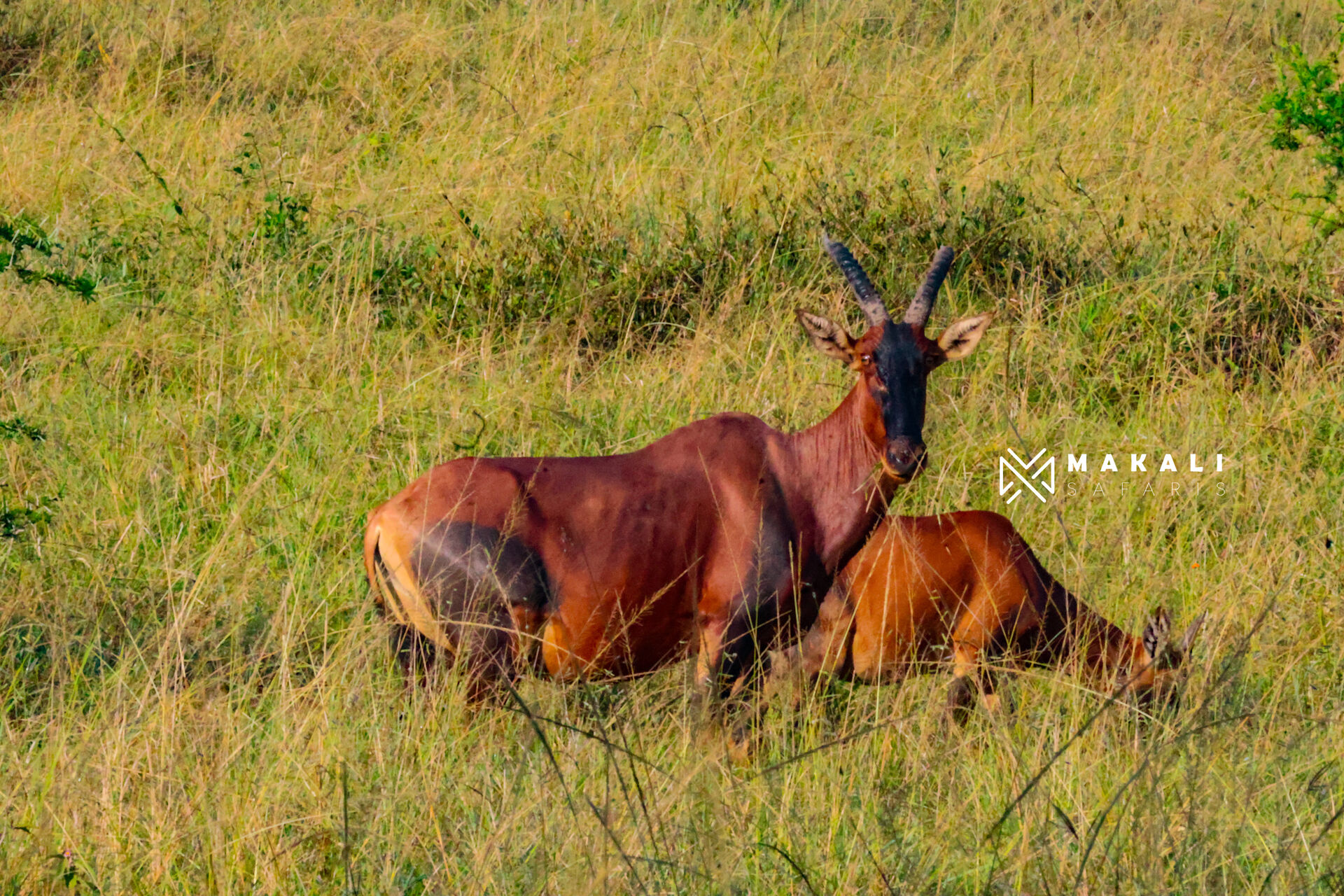
Beyond its diverse landscapes, the park supports a wide range of wildlife, including large savannah game such as elephants, buffaloes, zebras, and various antelope species. It is also home to swamp-dwelling species like the sitatunga and the rare shoebill stork. Lions and black rhinos have been successfully reintroduced, restoring the park’s Big Five status.
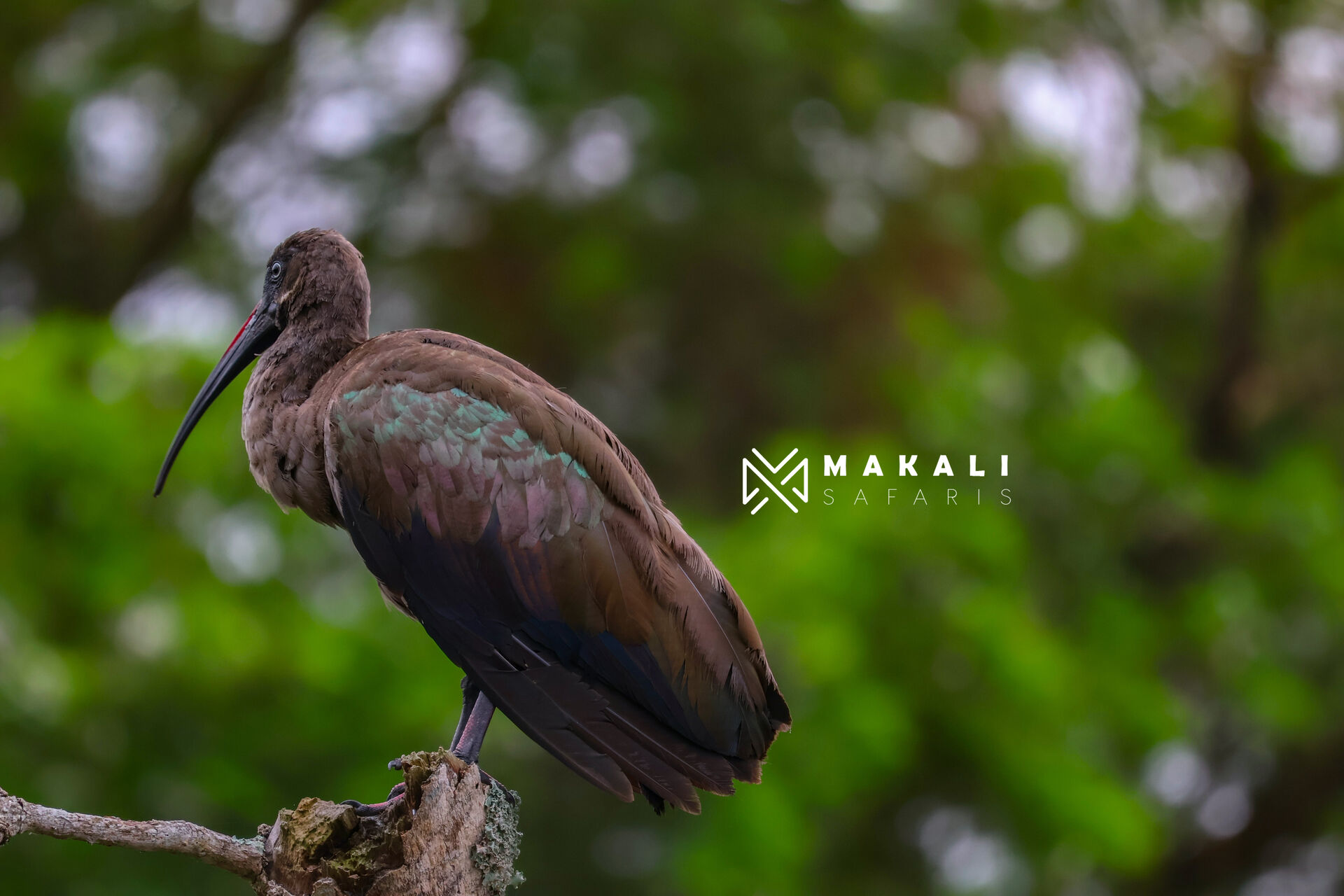
In addition to savannah wildlife, the park hosts several primate species, including olive baboons, vervet monkeys, and blue monkeys, which are commonly seen during the day. Akagera’s varied habitats make it a premier birdwatching destination, with nearly 500 recorded bird species. The papyrus swamps are particularly notable, providing habitat for the rare shoebill, papyrus gonolek, and many other waterbirds.
As a result, Akagera National Park is a key tourism destination, attracting visitors for game viewing, birdwatching, photography, and boat cruises on Lake Ihema.