Queen Elizabeth National Park lies in western Uganda, spanning the districts of Kasese, Kamwenge, Rubirizi, and Rukungiri. Spanning approximately 1,978 square kilometers, it is one of Uganda’s largest and most biodiverse protected areas. The Park stretches from Lake George in the northeast to Lake Edward in the southwest, linked by the renowned Kazinga Channel—a natural waterway connecting the lakes.
At its inception in 1952, the park was called Kazinga National Park, but the reserve was renamed in 1954 to commemorate a visit by Queen Elizabeth II of England. Today, it is one of Uganda’s most visited and ecologically rich national parks. Queen Elizabeth National Park is strategically linked to other key conservation areas, including Maramagambo Forest, Kyambura Gorge, Kibale Forest National Park, and the Virunga National Park in the Democratic Republic of Congo.
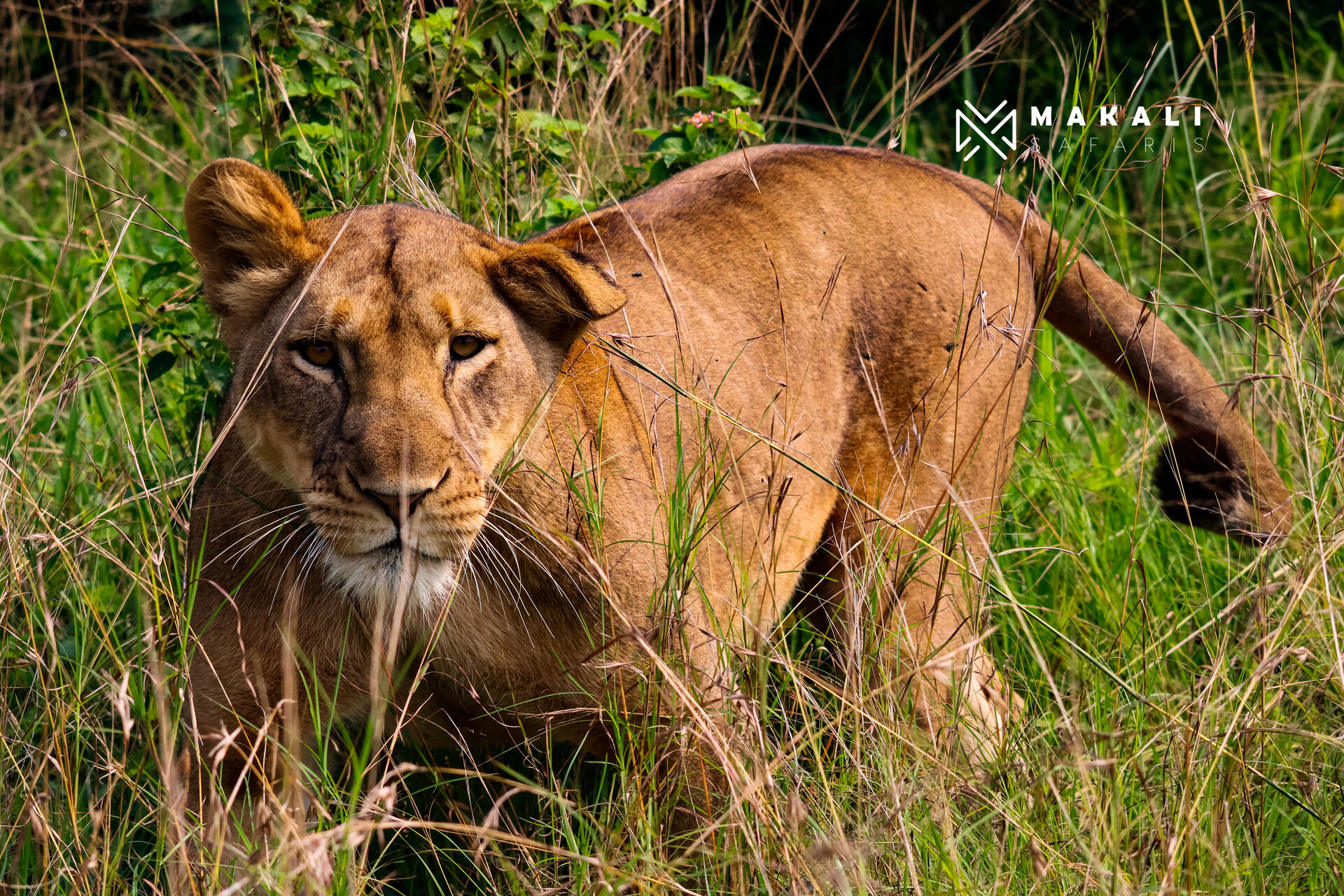
Thanks to its rich ecosystem, the park sustains an impressive range of large and small mammals, including buffalo, lions, African elephants, leopards, and diverse antelopes such as waterbucks, Uganda kob, and topis.
Additionally, the park harbors a variety of aquatic species, including dense populations of hippos and crocodiles. Queen Elizabeth National Park shelters about ten primate species. The most celebrated is the chimpanzee, inhabiting Kyambura Gorge. Commonly seen primates include vervet monkeys and black-and-white colobus monkeys, while baboons stand out for their boldness.
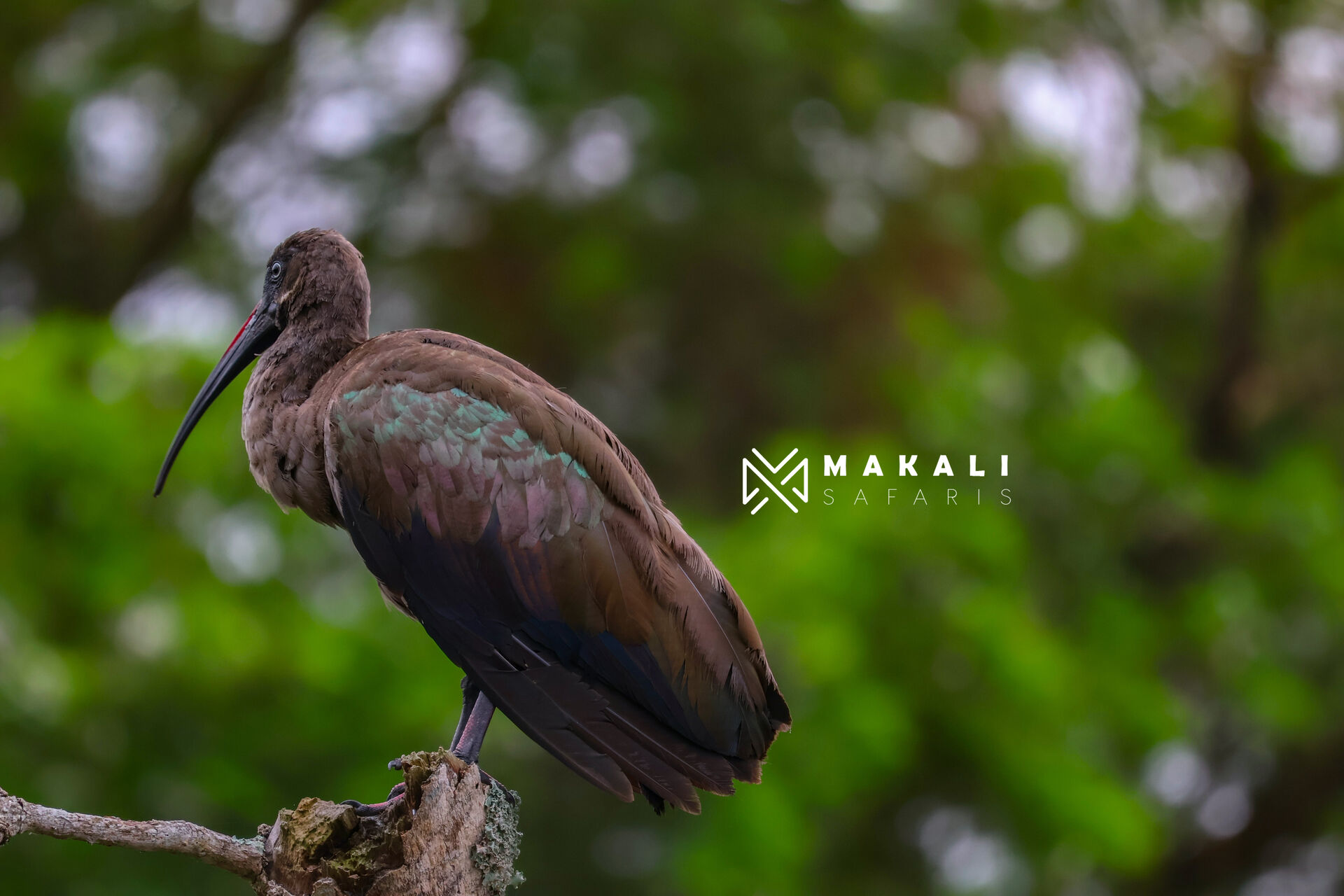
The Park preserves an exceptional array of habitats, from sweeping savannas to wetlands and lowland forests. With an avian checklist of over 600 species—the richest in any East African protected area—Queen Elizabeth National Park offers visitors a diverse range of activities. These include wildlife drives, birdwatching, chimpanzee trekking, Kazinga Channel boat cruises, fishing, and opportunities for relaxation.